Curcumin / turmeric extract · Buyer guide
Curcumin vs turmeric extract for bulk purchasing
Curcumin vs turmeric extract is not a reliable product comparison until the specification defines each article. Whole turmeric powder, a standardized curcuminoid extract, purified curcumin, and a formulated blend can all appear in sourcing conversations. They should not be treated as interchangeable purchases.
By CleanIngredients · Updated 2026-11-15
Free inquiry, reviewed by CleanIngredients. Availability is not guaranteed.

| Item | Specification | Buyer check |
|---|---|---|
| Turmeric powder | Ground botanical material | Do not equate it with a concentrated extract |
| Curcuminoid extract | Defined combined marker specification | Check which compounds make up the total |
| Purified or formulated article | Individual compound or a blend | Confirm all components and the reporting basis |
Choose the article your formulation requires
Start with the product you are developing and its approved ingredient brief. Specify Curcuma longa and the plant part where appropriate, then state whether you need a botanical powder, standardized extract, or another defined preparation. A change between these categories should trigger a formulation and quality review.
If the supplier describes a water-dispersible or other application-specific preparation, ask for the full composition. A carrier system or additional ingredient changes what you are buying. Request technical data relevant to your process and verify it in an application trial, rather than assuming a claim transfers to every finished product.
Understand total curcuminoids versus curcumin
Read the analyte names in the specification and COA. A total curcuminoids figure can combine multiple named compounds; it should not be casually relabeled as pure curcumin. Ask for the component results and the method used to produce the total, including the reporting basis.
Compare equivalent analytical definitions before looking at cost per active gram. A calculation using different analytes can look precise while answering the wrong question. Record any carrier content, moisture basis, and other specification differences that affect the comparison. Use your laboratory to resolve unclear method descriptions.
Connect the origin claim to the grade
Chinese processing does not demonstrate Chinese cultivation of the rhizome. Ask for evidence of the growing location and the named extraction or finishing facility separately. Where a supplier sources from several countries, request the information for the grade or lot being offered rather than relying on a company-wide supply-chain statement.
Ask for a lot-matched sample, specification, COA, process flow, packaging details, and a dated quotation. Agree how the supplier will disclose changes in origin, process, composition, or site. The first order should reflect the approved technical documents, not merely the sales description used to start the conversation.
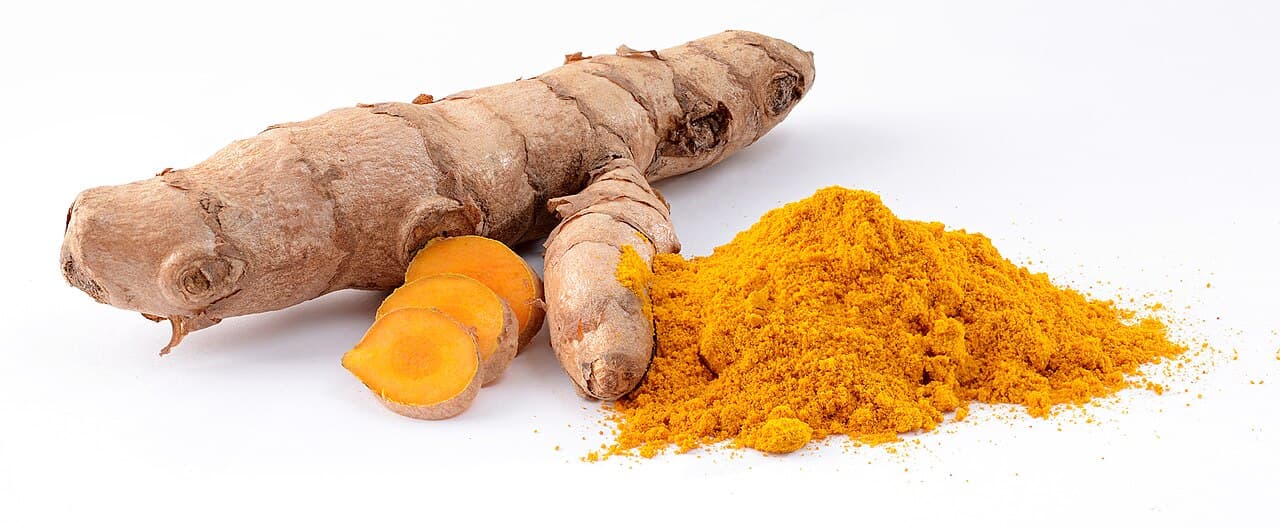
The curcumin ingredient hub provides the existing source review and current directory status. Neither an attractive plant photograph nor a directory entry establishes suitability for a particular supplement. Use the sourcing inquiry to explain your need while your technical team decides the acceptance criteria.
Before requesting a quote
- Botanical powder, extract, or blend identified
- Curcumin and total curcuminoids distinguished
- Carrier system disclosed
- Growing origin separated from processing
- Application and quality review completed
Evidence and editorial scope
Botanical and process distinctions come from the Curcumin / turmeric extract source review. The document requests and comparison workflow are CleanIngredients’ editorial purchasing guidance. They do not establish supplier approval, product safety, or regulatory suitability. Read the directory methodology.