Lutein · Buyer guide
Free lutein vs lutein esters for ingredient sourcing
Free lutein vs lutein esters is an identity and specification question. Treat them as different articles when requesting quotations. A percentage without the analyte, method, and reporting basis does not tell a buyer whether two offers are comparable.
By CleanIngredients · Updated 2026-11-15
Free inquiry, reviewed by CleanIngredients. Availability is not guaranteed.
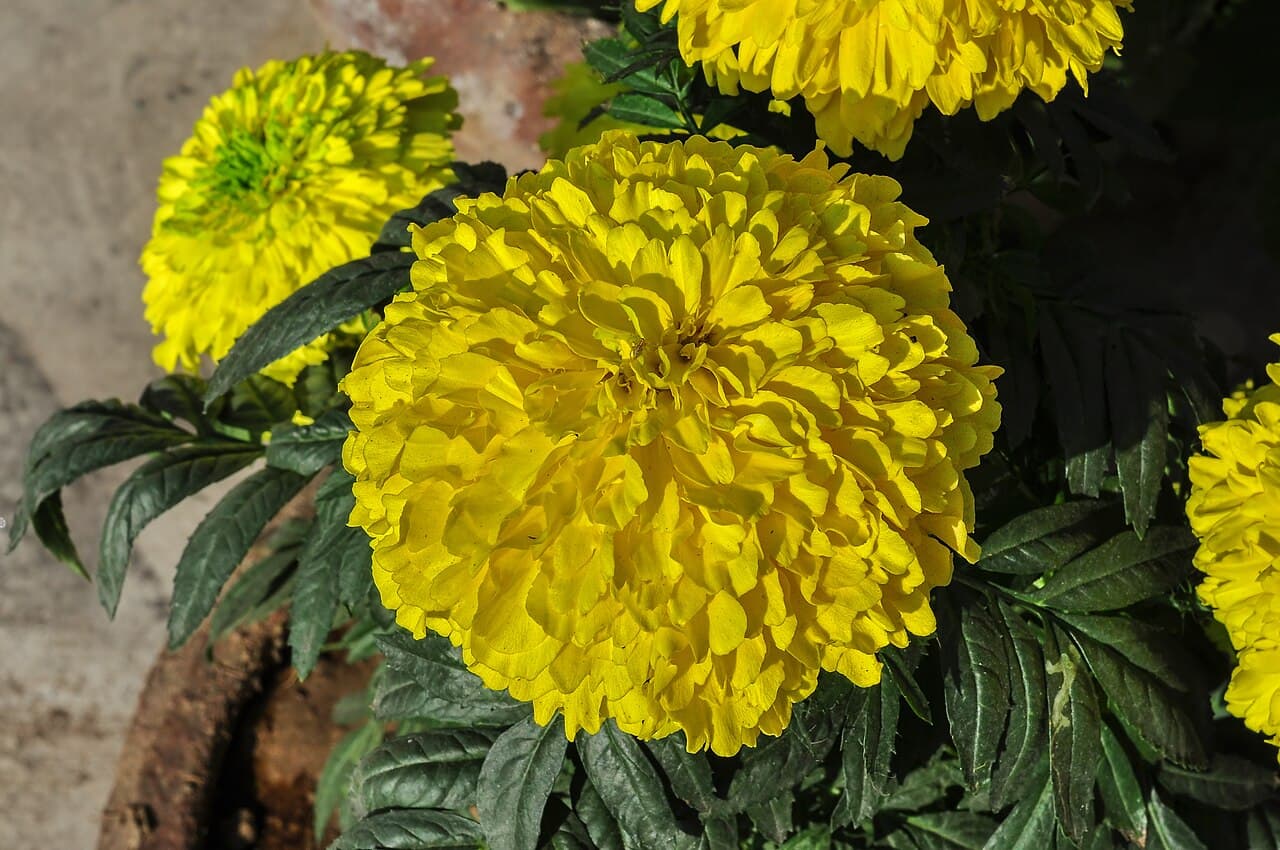

| Item | Specification | Buyer check |
|---|---|---|
| Identity | Free lutein | Lutein ester article |
| Assay | Confirm analyte and reporting basis | Confirm ester basis and any stated conversion |
| Process | Ask about extraction and saponification | Ask about extraction and subsequent treatment |
Write an unambiguous purchasing specification
Put the required identity into the first line of the RFQ. Add the physical form, minimum assay, analytical method, and reporting basis. If your formulation was developed around one supplier’s material, retain that reference specification when seeking alternatives. Ask the new supplier to identify differences explicitly instead of simply saying equivalent.
Keep total carotenoids, lutein, zeaxanthin, and ester content as separate fields where they appear. A method may measure a different analyte or apply different preparation steps. Have your laboratory or quality team review the method and any proposed conversion before normalizing the price. This page does not provide a universal conversion factor.
Read the process rather than the marketing name
The existing ingredient research distinguishes extraction, saponification, and fermentation or ensiling. Ask the supplier for a process flow that covers the crop through the finished ingredient, including subcontracted steps. A product called natural can still require careful clarification of how it was made.
Under the directory’s present scope, mixed fermentation-plus-extraction routes remain excluded. This is a listing rule, not a judgment about another process’s quality. Chinese flower cultivation and the named Chinese extraction or finishing site also need their own evidence. Do not infer these facts from a sales office address.
Compare a complete offer
Request a current specification, a lot-specific COA, storage conditions, packaging information, and shelf-life basis for the exact article. Ask whether the quoted sample and bulk material have the same composition. Include sample mass, destination, freight responsibility, and the documents you need before evaluation.
Only compare prices after identity, concentration, carriers, and commercial terms match. A lower price per kilogram may buy a lower concentration or a different form. Use the cost-per-active-gram tool for like-for-like arithmetic and the landed-cost tool for the cost assumptions in your own quote. Neither tool establishes biological equivalence or suitability.
Record unresolved answers in the sourcing brief. If no confirmed offering is available, the inquiry goes to CleanIngredients for review; it is not a supplier order, a reservation, or a guarantee of availability. The ingredient hub remains the source of current listing status and reviewed evidence.
Before requesting a quote
- Free lutein or ester specified
- Analyte, method, and reporting basis agreed
- Process flow supplied
- Growing and manufacturing origins separated
- Comparable composition and commercial terms
Evidence and editorial scope
Botanical and process distinctions come from the Lutein source review. The document requests and comparison workflow are CleanIngredients’ editorial purchasing guidance. They do not establish supplier approval, product safety, or regulatory suitability. Read the directory methodology.