Lutein · Buyer guide
Lutein beadlets vs powder: a buyer’s comparison
Lutein beadlets vs powder is a formulation decision before it is a price comparison. The same stated lutein percentage can describe different physical forms, carrier systems, and assay conventions. Start with the finished product and then define the article you want a supplier to quote.
By CleanIngredients · Updated 2026-11-15
Free inquiry, reviewed by CleanIngredients. Availability is not guaranteed.

| Item | Specification | Buyer check |
|---|---|---|
| Crystal or concentrated powder | Confirm free lutein or ester identity and assay method | How will it disperse in your process? |
| Beadlet | Request wall materials, carriers, and delivered lutein content | Does the full composition fit your label? |
| Dispersible powder | Ask for dispersion conditions and composition | Does it disperse in your actual formulation? |
Define the application before the grade
Give the supplier a short application brief: capsule, tablet, oil blend, or another format; your target amount per unit; and the processing steps the ingredient will encounter. A sample that looks good in water may behave differently in a finished blend. Ask for application data under conditions close to your own, then verify performance in a pilot trial.
For a capsule, record bulk density, flow, and the effect on fill weight. For a tablet, discuss compression and the process temperature with your manufacturer. For a liquid, document the dispersion procedure, appearance, and settling over the intended observation period. These are trial questions, not promises that one form will work everywhere.
Normalize the assay and composition
Read the specification and COA together. Establish whether the number is free lutein, lutein esters, or another declared basis, and whether it was measured by HPLC or a different method. Do not convert unlike percentages into an apparent bargain. Record zeaxanthin separately where it is declared.
Ask for every carrier, coating, antioxidant, and processing aid that affects your formulation or labeling review. A 10% beadlet is not 100% lutein with a different particle shape. The remaining composition matters to dose weight, allergens, and your product brief. Use the active-cost calculator only after those differences have been resolved.
Qualify the sample you will actually buy
Request a sample identified by the exact commercial grade and lot, with the matching specification and COA. Record whether it comes from a production lot or a development batch. Ask whether the bulk order will use the same composition, process, and manufacturing site, and what change-notification terms the supplier offers.
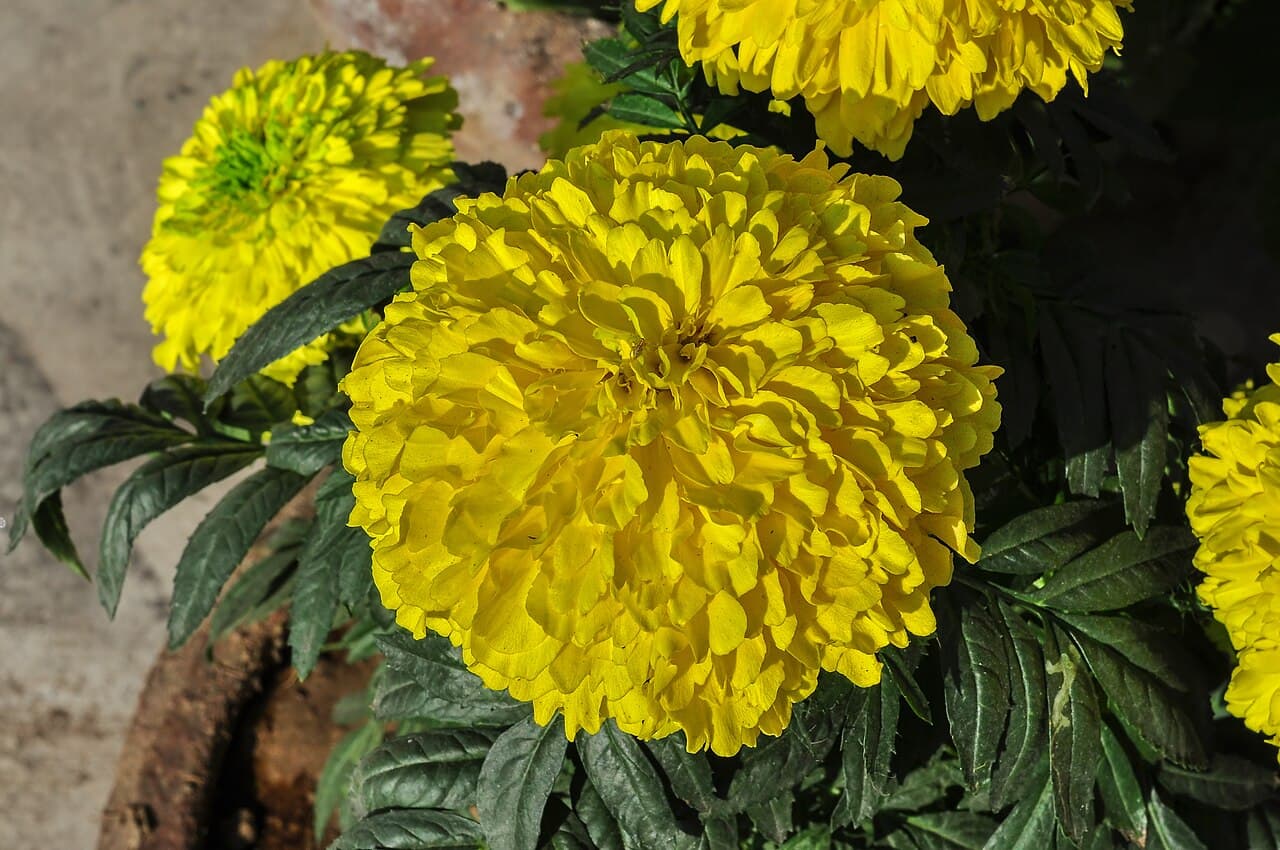
CleanIngredients separates Chinese manufacturing from Chinese cultivation. A photograph of marigold flowers, a company address, or a broad farming claim cannot establish the origin of this grade. Follow the ingredient page’s evidence links and keep unresolved origin questions in your RFQ. A successful bench trial does not replace your quality team’s release decision.
Before requesting a quote
- Exact physical form and commercial grade
- Free-lutein or ester assay basis and method
- Full carrier and wall-material composition
- Lot-matched sample and COA
- Application trial and written acceptance criteria
Evidence and editorial scope
Botanical and process distinctions come from the Lutein source review. The document requests and comparison workflow are CleanIngredients’ editorial purchasing guidance. They do not establish supplier approval, product safety, or regulatory suitability. Read the directory methodology.